Recent News
08/20/2026
Important Pennsylvania Sales Tax Update for Philadelphia and Allegheny County
We want to make you aware of a recent Pennsylvania sales tax law change that may affect businesses selling taxable products or services to customers in Philadelphia and Allegheny counties. Background Under Act 21 of 2026, vendors that are already required to collect and remit Pennsylvania’s 6% state sales tax must also collect and remit the applicable local sales tax on taxable sales delivered to customers in these counties. This includes Philadelphia’s 2% local sales tax and Allegheny County’s 1% local sales tax. The law was enacted on July 12, 2026, and applies retroactively to tax years beginning after December...
Stay up to date! Subscribe to our future blog posts!

05/09/2025
4 ways business owners can make “the leadership connection”
To get the most from any team, its leader must establish a productive rapport with each member. Of course, that’s easier said than done if you own a company with scores or hundreds of workers. Still, it’s critical for business owners to make “the leadership connection” with their employees. Simply put, the leadership connection is an authentic bond between you and your staff. When it exists, employees feel like they genuinely know you — if not literally, then at least in the sense of having a positive impression of your personality, values and vision. Here are four ways to build...
05/02/2025
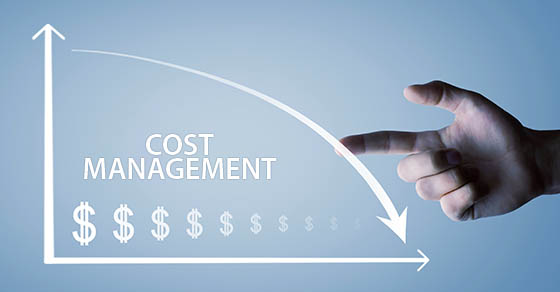
Cost management is critical for companies today
Many business owners take an informal approach to controlling costs, tackling the issue only when it becomes an obvious problem. A better way to handle it is through proactive, systematic cost management. This means segmenting your company into its major spending areas and continuously adjusting how you allocate dollars to each. Here are a few examples. Supply chain Most supply chains contain opportunities to control costs better. Analyze your company’s sourcing, production and distribution methods to find them. Possibilities include: Renegotiating terms with current suppliers, Finding new suppliers, particularly local ones, and negotiating better deals, and Investing in better technology to...

04/24/2025
Explore SEP and SIMPLE retirement plans for your small business
Suppose you’re thinking about setting up a retirement plan for yourself and your employees. However, you’re concerned about the financial commitment and administrative burdens involved. There are a couple of options to consider. Let’s take a look at a Simplified Employee Pension (SEP) and a Savings Incentive Match Plan for Employees (SIMPLE). SEPs offer easy implementation SEPs are intended to be an attractive alternative to “qualified” retirement plans, particularly for small businesses. The appealing features include the relative ease of administration and the discretion that you, as the employer, are permitted in deciding whether or not to make annual contributions....

04/18/2025
Turn a summer job into tax savings: Hire your child and reap the rewards
With summer fast approaching, you might be considering hiring young people at your small business. If your children are also looking to earn some extra money, why not put them on the payroll? This move can help you save on family income and payroll taxes, making it a win-win situation for everyone! Here are three tax benefits. 1. You can transfer business earnings Turn some of your high-taxed income into tax-free or low-taxed income by shifting some business earnings to a child as wages for services performed. For your business to deduct the wages as a business expense, the work...

04/12/2025
Businesses considering incorporation should beware of the reasonable compensation conundrum
Small to midsize businesses have valid reasons for incorporating, not the least of which is putting that cool “Inc.” at the end of their names. Other reasons include separating owners’ personal assets from their business liabilities and offering stock options as an employee incentive. If you’re considering incorporation for your company, however, it’s essential to be aware of the associated risks. One of them is the reasonable compensation conundrum. How much is too much? Let’s say you decide to convert your business to a C corporation. After completing the incorporation process, you can pay owners, executives and other highly compensated employees...

04/04/2025
Planning for the future: 5 business succession options and their tax implications
When it’s time to consider your business’s future, succession planning can protect your legacy and successfully set up the next generation of leaders or owners. Whether you’re ready to retire, you wish to step back your involvement or you want a solid contingency plan should you unexpectedly be unable to run the business, exploring different succession strategies is key. Here are five options to consider, along with some of the tax implications. 1. Transfer directly to family with a sale or gifts One of the most common approaches to succession is transferring ownership to a family member (or members). This...